That Lanai Isn't a Living Room Yet: A Straight-Talk Guide to Converting Florida's Underused Spaces
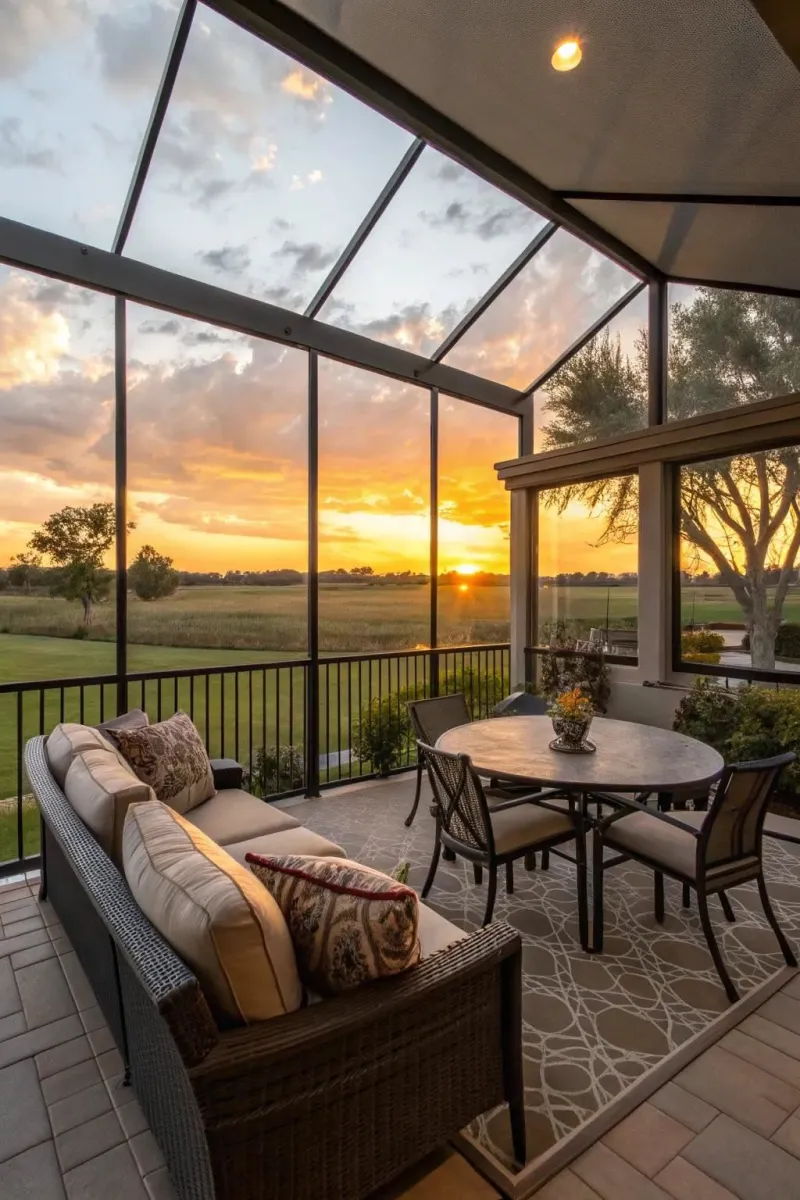
Photo: Florida lanai screened porch home interior renovation, via i.pinimg.com
Every Florida neighborhood has at least one. The screened enclosure with a sagging couch, a TV mounted on the lanai wall, maybe a rug that's been rained on one too many times — a space that's clearly being lived in, whether the county knows it or not.
Converting a porch, lanai, or garage into genuine living space is one of the most popular renovation requests contractors get in this state. It's also one of the most misunderstood. Between permitting, wind-load requirements, and HVAC rules, a project that looks like simple carpentry can turn into a code compliance maze. Here's how to navigate it without ending up in the county's files.
First, Know What You're Starting With
Not all "extra rooms" are created equal. A screened lanai with a concrete slab and a roof already tied into the main structure is a very different project than an open patio or a detached carport. The closer the space is to conditioned, enclosed living area already, the less you'll spend getting it legal.
Garages are their own animal. Because Florida's wind-load codes treat garage door openings as structural weak points, converting a garage usually means engineering the new wall, adding footings if the slab isn't up to spec, and often upgrading the door opening you're eliminating. Some homeowners skip all of it and just close the door — but an enclosed garage without permits is one of the most common code violations inspectors find, and it surfaces fast when you sell.
The Permit Question: Why Shortcuts Backfire
Let's be honest about why people skip permits: time and money. A permitted conversion can add weeks and a few thousand dollars in fees, drawings, and inspections.
But here's what unpermitted space actually costs. When you sell, the appraiser and buyer's agent will count only permitted living area — meaning your gorgeous converted garage adds roughly zero dollars to your appraisal. Unpermitted additions can delay closings, trigger retroactive permit requirements, or in worst cases force the new owner to tear work out. Insurance carriers, already picky in Florida, may decline claims on spaces that weren't legally built.
"I've had to tell buyers the lanai they loved doesn't count as square footage," a Orlando-area Realtor told us. "It's a gut punch every time, and it was always preventable."
The Three Big Technical Hurdles
HVAC. Florida code generally requires habitable rooms to be conditioned. A window unit or a duct tapped carelessly off the main system won't pass inspection in most jurisdictions. Budget for a proper extension of your system or a dedicated mini-split — and know that adding load to an aging AC may mean replacing the whole unit.
Wind load and egress. Any new walls, windows, or doors must meet your jurisdiction's wind-speed requirements, which in coastal counties are strict. Bedrooms also need emergency egress — a window or door meeting minimum size requirements — which rules out certain window styles entirely.
Floor elevation and flood zones. In flood zones, finished floor heights and materials face extra scrutiny. Converting a slab-on-grade lanai in an AE zone is a very different conversation than doing it inland.
Finding a Contractor Who'll Do It Right
The good news: this is a solved problem, if you hire well. When interviewing contractors, ask three things up front. Do they pull permits as standard practice (a pro will say yes without hesitating)? Will they provide signed and sealed engineering drawings if the project needs them? And can they walk you through the inspection sequence — footing, framing, mechanical, final — before work starts?
Check their license on the state's DBPR website, and be wary of anyone who suggests "we usually don't bother with permits for this." In Florida, that sentence is the tell.
Do It Once, Do It Legal
A properly permitted conversion — with real HVAC, code-compliant openings, and a final inspection in the county's records — adds usable square footage you can count on an appraisal, insure without asterisks, and sell without excuses. The unpermitted version is cheaper right up until it very much isn't.
Get the quotes, get the permits, and turn that lanai into the room you always pretended it was.