The Mid-Century Gold Rush: Why Florida's 1950s and '60s Homes Are the Smartest Buy on the Market
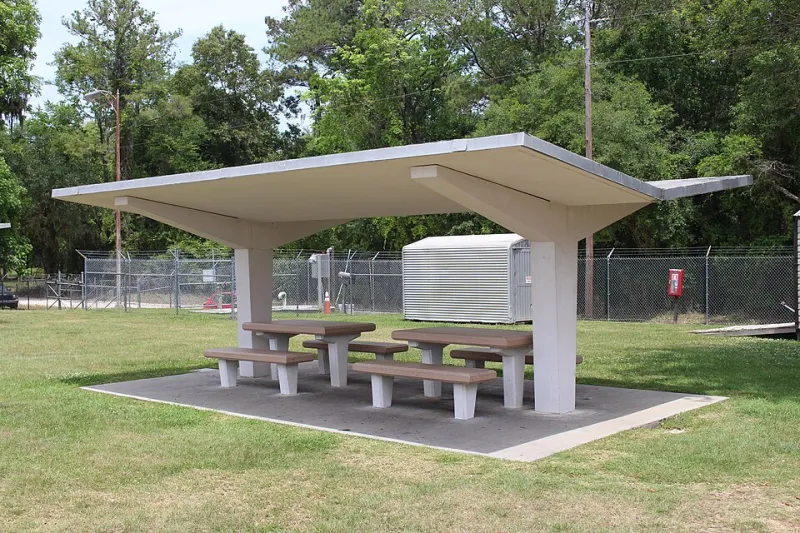
Photo: Michael Rivera, CC BY-SA 4.0, via Wikimedia Commons
Let's be blunt: Florida's mid-century housing stock has spent decades as the underdog of the real estate world. Buyers gravitate toward glossy new construction with its impact windows installed and its HOA-approved paint palette, while the 1958 ranch around the corner sits on the market with its original terrazzo floors hidden under decades of carpet.
That's exactly the mistake. Because if you know where to look — and which contractor to call — Florida's atomic-age homes are the best renovation opportunity in the state.
Why the Bones Are Better Than You Think
Here's the counterintuitive part: many of these homes were built better than what followed them. The postwar building boom in Florida produced concrete block construction, terrazzo floors, and roofs framed with old-growth lumber in some markets. These are houses designed for a pre-air-conditioning era, which means thoughtful orientation, deep overhangs, and cross-ventilation baked into the original plans.
Compare that to some of the quick-turn tract housing that followed in the '80s and '90s, and the mid-century stock starts looking less like a fixer-upper and more like a foundation to build on — literally.
The catch, of course, is the Florida part. Wind codes, insurance requirements, and hurricane exposure have changed dramatically since these homes went up. That's not a reason to avoid them. It's the reason the renovation opportunity exists.
The Real Money Is in Code-Ready Character
The contractors thriving in this niche share a common playbook: modernize the home to meet current wind-zone requirements without sandblasting the character out of it. Think impact-rated windows sized to the original openings, reinforced roof-to-wall connections, and updated garage doors — all the unsexy stuff that slashes insurance premiums — paired with restored terrazzo, refinished tongue-and-groove ceilings, and kitchens that honor the era instead of erasing it.
The ROI math works in your favor here. Wind mitigation upgrades can meaningfully reduce insurance costs in a state where premiums are a genuine budget line item. Meanwhile, period-appropriate finishes are increasingly what buyers pay a premium for. A mid-century home with original details intact and modern hurricane protection underneath is a rare combination — and rare combinations command prices.
Where the Trend Is Booming
You don't have to look hard to find neighborhoods where this renaissance is in full swing:
- Tampa's Tampa Bay Blvd and surrounding South Tampa pockets — postwar ranches on generous lots, minutes from downtown.
- Fort Lauderdale's Coral Ridge and the Sailboat Bend area — mid-century gems minutes from the water, with renovation activity visible on every block.
- Orlando's Azalea Park and Colonial Terrace — affordable concrete-block ranches attracting first-time buyers with a renovation budget.
- St. Petersburg's Kenwood and Jungle Terrace — where the bungalow boom has spilled into postwar inventory.
- Miami's MiMo District along Biscayne Boulevard — the architectural style that gave the movement its Florida name.
In each of these markets, the pattern repeats: buyers who can't stomach new-construction prices buy mid-century, renovate strategically, and end up with a home that's both insured and distinctive.
Finding a Contractor Who Speaks Mid-Century
Not every licensed contractor is right for this kind of project. You want a pro who understands that "bring it to code" and "gut it" are not the same instruction.
When you're screening candidates through a contractor directory, look for specific signals. Have they worked on homes of this era in your county? Do they talk about wind mitigation retrofits, roof-to-wall straps, and opening protection as a package? Can they show you a project where they preserved original flooring, millwork, or block walls while upgrading everything behind them?
Ask for references from clients who owned mid-century homes, and ask those references one question: "Did the contractor ever tell you something wasn't worth changing?" A renovation pro who pushes back — who says "keep the terrazzo, restore it, don't replace it" — is a pro worth hiring.
The Window Is Open, But It's Closing
Here's the thing about undervalued housing stock: it doesn't stay undervalued. The mid-century revival is already well underway in Miami and St. Pete, and the price gaps in Tampa and Orlando are narrowing as more buyers catch on.
The homeowners who benefit most are the ones who move now — who buy the dated-but-solid ranch, line up a licensed contractor who knows wind-zone retrofits inside and out, and turn a tired time capsule into the best house on the block.
New construction will always have its appeal. But in Florida right now, the smartest money is going into homes that have already stood for seventy years — and, with the right renovation, will stand for seventy more.