After Surfside: How Florida's New Condo Inspection Rules Are Reshaping Renovation Budgets
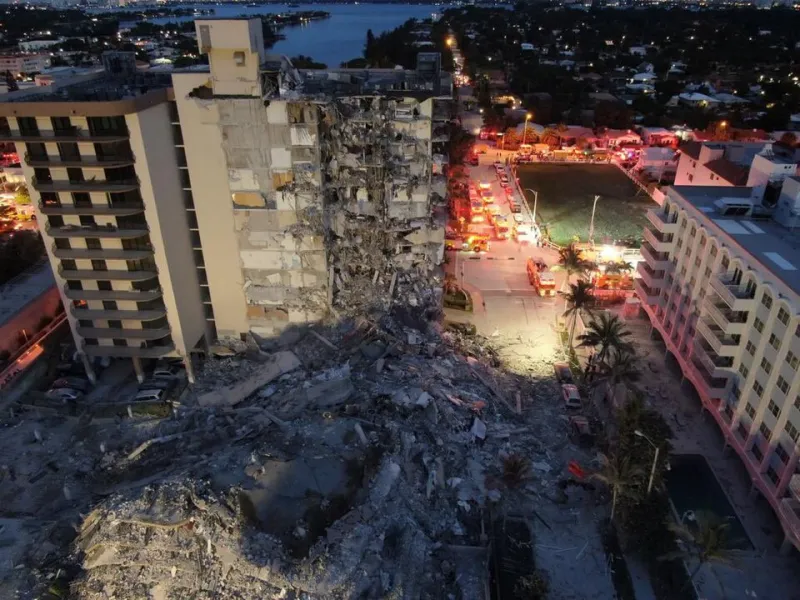
Photo: Miami-Dade Fire Rescue Department. The original uploader was TheEpicGhosty at English Wikipedia., Public domain, via Wikimedia Commons
If you own a condo in Florida, you've probably seen the special assessment notices. Maybe you've voted on one. Since the state passed its structural integrity laws following the tragic 2021 Surfside collapse, condo boards across Miami-Dade, Broward, and beyond have been scrambling to fund repairs that were deferred for decades — and owners planning their own kitchen or bathroom remodel are now navigating a very different approval process than they were five years ago.
Here's a plain-English breakdown of what changed, what it costs, and how to plan a unit renovation without getting tangled in red tape.
What SIRS and Milestone Inspections Actually Require
Florida law now mandates two things for condo buildings three stories or taller:
Milestone inspections: Once a building hits 30 years of age (25 in coastal counties), it must undergo a structural inspection by a licensed engineer or architect. Buildings with concerning findings get re-inspected on a set schedule.
Structural Integrity Reserve Studies (SIRS): Associations must commission a detailed study of structural components — concrete, rebar, roofing, waterproofing, load-bearing walls, fire protection — and then actually fund reserves for those items. The era of waiving reserves to keep dues low is over for structural components.
The practical result? Associations that spent years kicking the can are now facing repair bills in the millions, and owners are covering it through special assessments or sharply increased monthly dues.
What This Means for Your Renovation Budget
Before you price out that quartz countertop, take a hard look at your building's financial position:
- Review the association's SIRS funding plan and reserve balance. A building playing catch-up may levy assessments at any time — money that competes directly with your renovation fund.
- Expect stricter approval processes. Boards under scrutiny are far less likely to grant quick sign-offs on unit work, especially anything touching walls, balconies, or plumbing.
- Budget for delays. Association engineering reviews, insurance requirements, and building department permits now stretch project timelines significantly in many buildings.
- Watch your building's inspection status. A building with flagged structural issues may restrict certain types of work entirely until repairs are complete.
If your building has a major assessment on the horizon, it may be worth sequencing your renovation carefully — or holding off until the association's work is done and dust is settled.
Finding Contractors Who Can Work Within the New Rules
Here's the part many owners don't anticipate: not every contractor is equipped to work in a post-SIRS condo environment. The right pro needs to do more than swing a hammer.
Look for condo-specific experience. Ask candidates how many association-governed projects they've completed in the past two years. Work under the new rules demands someone fluent in board communications, COI (certificate of insurance) requirements, and elevator scheduling.
Ask about their documentation habits. Boards and their engineers increasingly require detailed scope letters, structural review for any wall or balcony work, and engineering sign-off. A contractor who shrugs at paperwork is a red flag.
Verify licensure and insurance — every time. Check the contractor's license at MyFloridaLicense.gov, confirm their liability policy meets your association's minimums (many boards now require $1M–$2M coverage), and make sure workers' comp is current.
Get references from your own building type. A contractor who's worked in a 1968 high-rise in Aventura understands waterproofing and structural constraints in a way a suburban remodeler may not.
Insist on permit-pulling. In condo buildings, unpermitted work can create liability headaches for the entire association — and boards know it. Expect and welcome the permit process.
Questions to Bring to Your Board
Before signing a renovation contract, get clarity from your association:
- What is the current approval process and typical turnaround time?
- Are there restrictions on work hours, debris removal, or elevator use?
- Is a structural engineer's review required for my project scope?
- What insurance documentation must my contractor submit?
- Does the building have any pending milestone findings that could affect approvals?
The Bottom Line
The post-Surfside reforms are painful but necessary — Florida's condo stock is aging, and the state finally has a framework forcing structural maintenance to happen. For unit owners, the smart play is awareness: know your building's reserve position, understand the approval gauntlet before you design your dream kitchen, and hire contractors who've already proven they can work within the system.
A renovation in today's Florida condo market is absolutely still doable. It just takes a board-savvy contractor, a little patience, and a budget that leaves room for the unexpected.