Gopher Tortoises, Grumpy Boards, and the Addition That Almost Wasn't: Florida's Hidden Permit Gauntlet
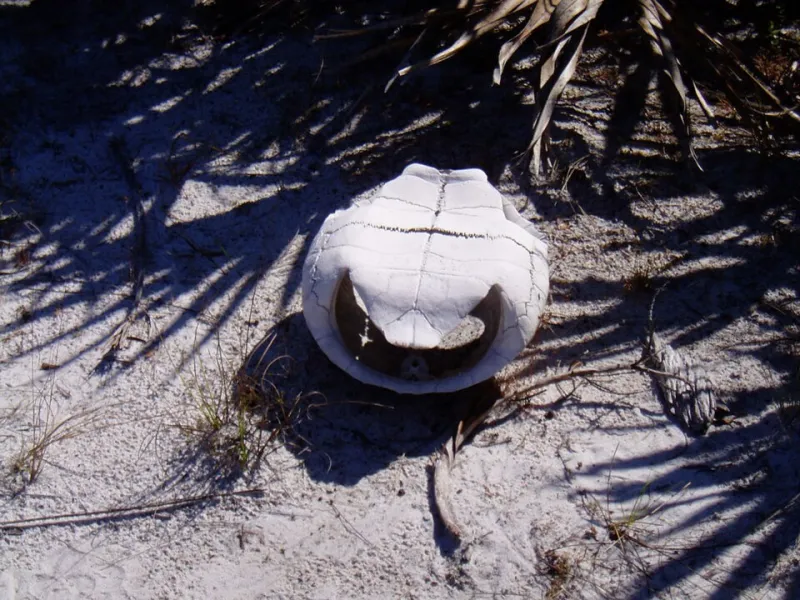
Photo: Cary Michael Bass (Bass-Deschenes), CC BY-SA 3.0, via Wikimedia Commons
Every Florida homeowner has heard the horror story. The plans are drawn, the deposit is paid, and then the phone rings: the architectural review board wants a rendering in triplicate, the county says your addition sits twelve feet inside a setback, and — oh, by the way — a surveyor spotted a gopher tortoise burrow right where your new master suite was supposed to go.
None of these are ordinary building-code problems. And that's exactly the point. In Florida, the biggest threat to your renovation usually isn't the permit counter at city hall. It's everything that happens before and after you get there.
The Three-Layer Stack Nobody Mentions at the Design Meeting
Think of a Florida addition as needing three separate green lights, and each one can fail independently.
Layer one: your HOA (if you have one). Before the county ever sees your plans, your homeowners association's architectural review committee does. These boards can have stricter design standards than any municipal code — matching roof pitches, approved exterior paint palettes, square footage minimums, even rules about where the addition can sit relative to the street. Expect a submission window, a monthly meeting cycle, and a request for revisions. A realistic timeline for HOA approval alone is 30 to 90 days, and rushing it is how projects die quietly in committee.
Layer two: zoning and setbacks. Your county's setback requirements dictate how close any structure can come to your property lines. On many Florida lots — especially those charming 50- and 60-foot-wide parcels in established neighborhoods — there simply isn't room for the addition you sketched on a napkin. Variance requests exist, but they mean public hearings, notified neighbors, and weeks of waiting.
Layer three: the environment. This is the layer that surprises people most. A chunk of Florida sits inside environmental overlays: wetland buffers, tree protection ordinances, flood zones with elevated construction requirements, and habitat protections. The gopher tortoise — a state-listed threatened species — is the famous one. If a tortoise burrow is on your lot, the addition may need to wait until a licensed agent relocates the animal, a process that involves permits, fees, and a schedule dictated by a reptile, not your contractor.
The Sequence Matters More Than the Paperwork
Here's the part that separates a smooth project from a stalled one: order of operations.
A seasoned Florida contractor doesn't submit to the county first and hope the HOA falls in line. They run the HOA review, the zoning check, and a preliminary environmental screen — including a tortoise burrow scan — before finalizing drawings. Each approval feeds the next. A variance granted at the county level still has to pass the HOA's site plan review, and an environmental finding can force a redesign that sends you back to both.
Ask any contractor you're interviewing to walk you through this sequence out loud. If they can't, that's your answer.
How to Spot a Pro Who's Navigated This Before
You're not just hiring someone who can swing a hammer. You're hiring a guide through a bureaucratic obstacle course. The good ones share a few telltale habits:
- They ask about your HOA in the first meeting — not after the contract is signed.
- They talk about setbacks in feet, referencing your specific lot dimensions, not vague assurances that "it'll probably be fine."
- They budget for environmental surveys as line items, not surprises.
- They've handled a relocation permit or a variance hearing before, and can name the process without googling it.
- They put approval timelines in the contract, so a 90-day HOA wait doesn't turn into "the contractor went quiet for a quarter."
The wrong hire looks different. They'll tell you permits are "included" without explaining what happens if the environmental review comes back complicated. They'll let you sign a contract with a start date that assumes zero friction. And when the tortoise shows up, the paperwork — and the delay costs — will somehow land in your lap.
A Quick Pre-Contract Checklist
Before you put pen to paper on any Florida addition:
- Get your HOA's architectural guidelines in writing and confirm the submission calendar.
- Pull your lot's zoning info from the county GIS map and check setbacks against your sketch.
- Ask whether your property touches any environmental overlay, flood zone, or protected habitat.
- Walk the yard for sandy, exposed patches — classic tortoise habitat — and mention it to your contractor.
- Build a realistic timeline: HOA review, zoning confirmation, environmental screening, then permits. Six months from idea to groundbreaking is normal, not slow.
The Payoff for Patience
None of this is meant to scare you off. Florida additions remain one of the smartest investments a homeowner can make — and the state's permitting system, for all its layers, exists because the last fifty years taught everyone some expensive lessons.
The homeowners who come out ahead are the ones who treat the approval process as part of the project, not an obstacle to it. Find the contractor who respects the gauntlet, and that addition will get built. Tortoise relocated, board appeased, setbacks honored — and a new wing on the house that finally matches the one in your head.