Snowbirds, Your House Is Aging Faster Than You Are: How Florida's Climate Wears Homes Out From the Outside
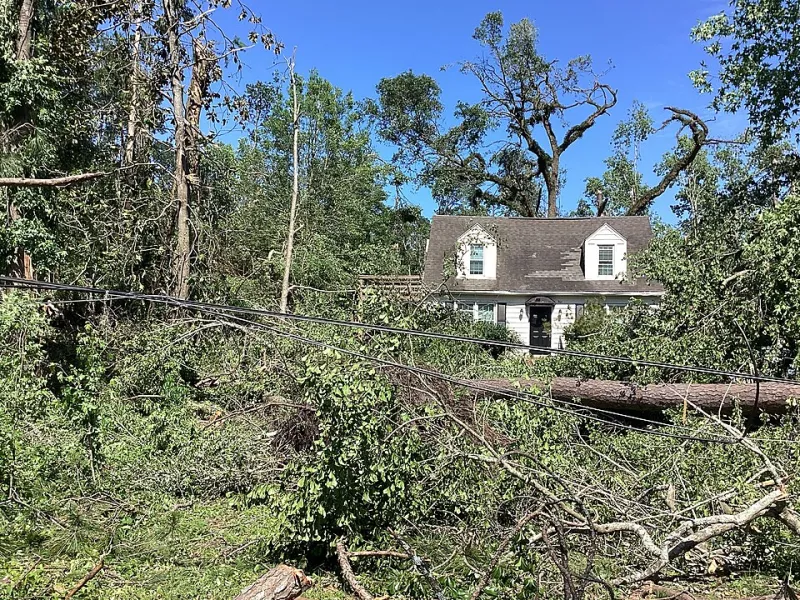
Photo: National Weather Service Tallahassee FL, Public domain, via Wikimedia Commons
Ask anyone who moved down from Ohio, New York, or Michigan what surprised them most about owning a Florida home, and you'll usually hear about the weather being 'easier.' No snow shovels. No salt on the driveway. No burst pipes in January.
Then year five rolls around, and the same homeowner is staring at a cracked stucco facade, a rusted AC condenser, and a faded roof that's somehow only eight years old. What happened?
Simple: Florida houses age backwards.
The Freeze-Thaw Myth vs. the Sunshine Reality
Northern home maintenance revolves around one villain: water that freezes. Water slips into cracks, expands when it freezes, and pries materials apart over decades. It's slow, predictable damage that mostly works from the inside of walls outward — which is why northern homeowners obsess over insulation, ice shields, and pipe wrap.
Florida flips the script entirely. Our damage is relentless, external, and driven by three forces working in tandem:
- UV radiation. Florida gets roughly 230-plus sunny days a year, and that ultraviolet bombardment breaks down paint binders, dries out sealants, and turns asphalt shingles brittle years ahead of their northern lifespan.
- Humidity. Moisture in the air feeds mold and mildew on exterior surfaces, swells wood trim, and keeps stucco permanently damp on the shaded side of the house.
- Salt air. If you're within a few miles of the coast — which, in Florida, is most of us — airborne salt corrodes metal fixtures, fasteners, and HVAC equipment at a pace that shocks anyone from the Midwest.
The result? A house that looks fine on the inspection report in year one but starts showing its age on the outside long before anything structural goes wrong up north.
Where the Damage Shows Up First
Transplant buyers tend to budget for maintenance the way they did up north — a roof every 25 years, paint every 10, a water heater when it dies. Florida timelines run roughly 30 to 40% shorter on almost everything exposed to the elements:
Roofs. A 30-year architectural shingle roof in Tampa might need replacing at 18 to 22. Tile lasts longer, but the underlayment beneath it often doesn't — and that's the part nobody sees until there's a leak.
Exterior paint and stucco. South-facing walls take a beating. Hairline stucco cracks aren't just cosmetic; they're entry points for moisture, and in Florida's climate, moisture never really dries out.
Metal everything. Door hinges, light fixtures, pool cages, screen enclosures, exterior screws. Near the coast, cheap fixtures can show rust within two years. Stainless steel and powder-coated hardware aren't upgrades here — they're the baseline.
HVAC equipment. Condenser units in Florida work harder and corrode faster. A 15-year lifespan is a good outcome, not the norm.
Windows and seals. The gaskets and caulking around windows break down under UV exposure, which is why 'mystery water stains' are practically a Florida genre.
The Contractor Lineup You Need on Speed Dial
Here's the practical part. Because Florida homes fail from the outside in, the specialists you'll call most aren't the same ones northern homeowners rely on. Build your roster around these four:
1. A stucco and sealant specialist. Not a general painter — a contractor who understands moisture management behind stucco and can spot failing flashing and weep systems. Annual walkthroughs of your exterior cost far less than tearing out moldy wall cavities later.
2. A roofer who documents everything. Florida's insurance market makes roof condition a financial issue, not just a structural one. A roofer who photographs your roof's condition and understands wind-mitigation requirements can literally save your policy.
3. A corrosion-savvy handyman or remodeling contractor. For swapping out rusted fixtures, screening lanai enclosures, and replacing exterior hardware with marine-grade alternatives. Small jobs, but constant ones.
4. A mold and moisture assessor. Not because your house is doomed, but because in this humidity, catching a small intrusion early is the difference between a $600 seal job and a $15,000 remediation.
When you're vetting any of these pros, use our directory to confirm they're licensed and insured in Florida — and ask specifically how many coastal-area homes they've worked on. Salt-air experience changes how a contractor approaches everything from fastener selection to paint specs.
Rethink the Maintenance Calendar
The northern instinct is seasonal: gutter cleaning in fall, furnace checks in winter. Florida's calendar is different. Think in terms of:
- Pre-hurricane season (April–May): roof inspection, sealant checks, securing loose exterior elements.
- Post-storm season (November): assessing any wind or water damage before it festers.
- Year-round: watching for mildew, rust, and paint failure on sun-exposed walls.
The Bottom Line for Transplants
Your Florida house isn't high-maintenance — it's differently maintained. The damage is visible, external, and entirely manageable if you catch it on schedule. The homeowners who get burned are the ones who imported a northern maintenance plan and didn't adjust.
Flip your thinking, line up the right licensed pros, and your house will outlast your neighbors'. Sun and salt don't take days off — but neither do the contractors who've built their careers fighting them.