Between Tenants: The Florida Landlord's Renovation Playbook

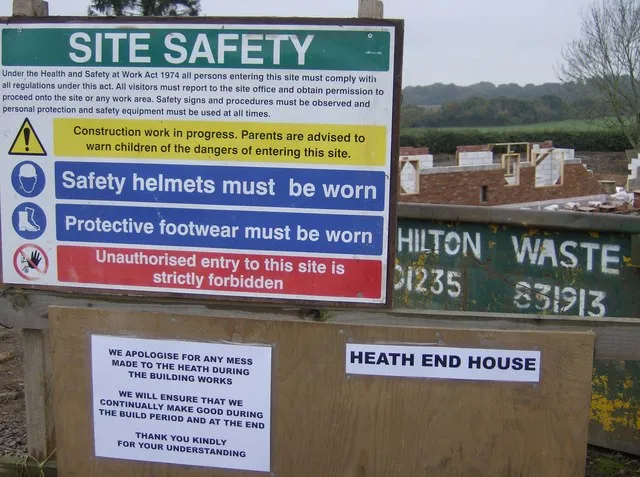
Photo: Tim Evanson from Cleveland Heights, Ohio, USA, CC BY-SA 2.0, via Wikimedia Commons
A tenant gives notice, and suddenly you've got 30 days, an empty unit, and a mental list of everything you've been meaning to fix since the Obama administration. Welcome to the landlord's favorite squeeze: the turn.
If you own rental property anywhere in Florida — a duplex in Tampa, a condo in Kissimmee, a single-family in Ocala — the between-tenant window is your one shot at real work. Paint and carpet can happen fast. But some projects carry legal weight, permit requirements, and liability that a Saturday with a roller can't touch. Here's how to think it through.
Start With Habitability, Not Aesthetics
Florida law requires rental properties to meet basic habitability standards: working plumbing, functioning electrical, sound roofing, functioning air conditioning (yes, AC is generally considered essential here), and compliance with building and health codes. If any of those are compromised, that's your budget's first stop — no matter how dated the kitchen looks.
Walk the unit with a checklist: water pressure, water heater age, GFCI outlets in wet areas, smoke detectors, roof condition, AC performance. Everything else is negotiable; those items are not. Skimping on them doesn't just invite tenant complaints — it can expose you to rent withholding, code violations, or worse.
Know What Requires a License and a Permit
Here's where well-meaning landlords get burned. Florida requires a state-licensed contractor for most work beyond cosmetic updates. In practice:
- Permitted work: Electrical panel upgrades, plumbing repipes, water heater replacement, HVAC swaps, window and door replacements that alter openings, roof work, structural changes, and anything involving additions.
- Usually fine as DIY or handyman territory: Painting, replacing flooring, installing shelving, swapping fixtures on existing circuits (with care), and minor caulking or patching.
Your local building department — Miami-Dade's rules differ from Duval's, and HOA-heavy counties add another layer — has the final word on permits. And remember: pulling a permit under an owner-builder exemption for a rental you don't personally occupy can be a gray zone. When in doubt, license it out. Unpermitted work on a rental is a liability magnet, and it surfaces at the worst times: insurance renewals, sales inspections, tenant disputes.
Time Projects Around the Lease Cycle
The ideal renovation calendar starts months before a vacancy. If you know a lease ends June 30, get quotes in April, line up your contractor in May, and schedule the heavy work for the first week of July. Florida contractors book out fast before hurricane season, so a spring-planned summer turn is far more realistic than a panic call in July.
Bigger jobs — kitchen remodels, bathroom rebuilds, floor replacements throughout — may justify offering an existing tenant an early termination incentive or adjusting the lease to create a longer gap. It's cheaper to plan a two-week vacancy than to repeat a turn every year on a unit that never improved.
DIY or Hire? Be Honest With Yourself
There's a temptation to handle rental turns yourself to protect margins. Some of that makes sense. Repainting between tenants is a classic DIY win. So is swapping cabinet hardware or replacing a toilet (yes, really — it's a two-bolt job).
But the math changes when the work involves trades with code implications. A botched DIY electrical fix in a rental isn't just your problem — it's your tenant's. Courts and insurers look at rentals differently than owner-occupied homes. If you wouldn't sign your name to the work in a deposition, hire it out.
Build Your Roster Before You Need It
The single best move a Florida landlord can make is assembling a go-to list of licensed pros: a general handyman, a plumber, an electrician, an HVAC tech, a painter, and a flooring installer. Better yet, find a licensed general contractor who handles small jobs.
Vet them once, thoroughly — verify licenses through the Florida DBPR website, confirm insurance, and check reviews — then feed them repeat business. Contractors prioritize landlords who call consistently, pay on time, and don't nickel-and-dime every invoice. When your AC dies in August with a new tenant moving in Friday, that relationship is worth more than any discount.
A directory like Florida's Contractors exists for exactly this: find licensed, reviewed pros in your county, save their contacts, and treat your roster like the asset it is.
The Bottom Line
Every turn is a chance to add rent value and reduce headaches — but only if you spend the window wisely. Fix what the law requires, permit what the code demands, DIY only what's genuinely cosmetic, and build your pro network before the vacancy hits. Your future self, holding a signed lease at asking rent, will thank you.