Paint, Windows, and Paperwork: Surviving a Historic District Renovation in Florida
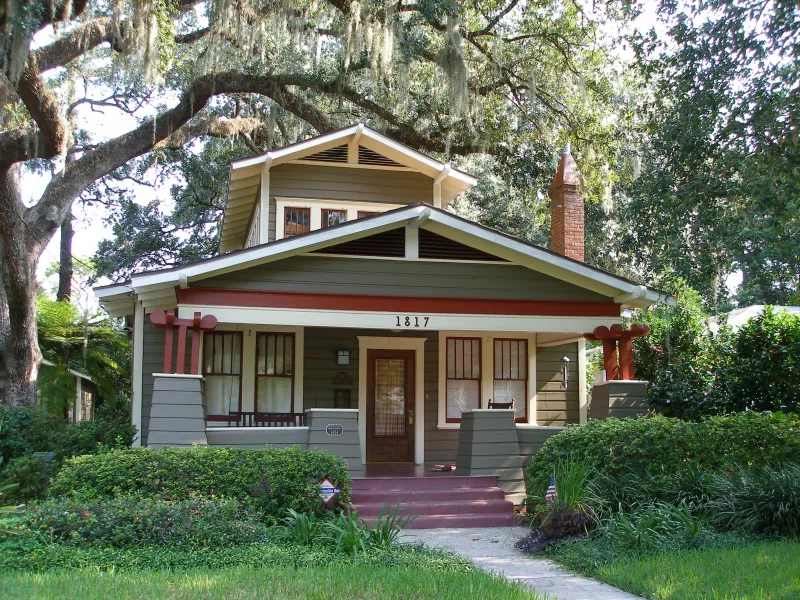
Photo: historic Florida bungalow home renovation craftsman porch, via s-media-cache-ak0.pinimg.com
There's a moment every owner of a historic Florida home eventually faces. Maybe it's when the original sash windows finally give up, or when you realize the kitchen hasn't been updated since Nixon was in office. You're ready to renovate — and then a neighbor mentions the words that stop every project cold: "You know that needs ARC approval, right?"
Welcome to life inside a designated historic district, where the house you love comes with a second, invisible roommate: the architectural review board.
What Exactly Are You Signing Up For?
Florida's historic districts range from the cobblestoned lanes of St. Augustine — the oldest continuously occupied European settlement in the country — to Tampa's Hyde Park, Miami's Coral Gables, and Pensacola's Seville Square. In these neighborhoods, exterior changes that would be a weekend DIY project elsewhere can require a certificate of appropriateness before you lift a hammer.
The scope varies by municipality, but commonly reviewed items include:
- Window and door replacement
- Roofing material and color changes
- Fences, driveways, and hardscape
- Exterior paint (yes, sometimes even color)
- Additions, porches, and visible structural changes
The good news? Most review boards aren't trying to freeze your home in 1923. Their stated goal is usually to keep changes compatible with the district's character. The bad news: "compatible" is a word that gets decided by committee, in a public meeting, on a schedule that may only meet once a month.
The Permit Timeline Nobody Warns You About
Ask anyone who's been through it and you'll hear the same refrain: the renovation itself wasn't the hard part — the paperwork was.
A typical path looks like this: you or your contractor prepares an application with drawings, material specs, and often photographs of the existing conditions. Staff reviews it first; some minor items get administrative approval in days. Anything visible or substantial goes before the review board at a public hearing, where neighbors can weigh in and board members can approve, deny, or — most commonly — ask you to "come back with revisions."
Smart homeowners build two to three months of approval time into their project calendar. Smarter ones talk to the preservation staff before finalizing plans. In most Florida cities, the planning department's historic preservation staff will happily review a concept informally and tell you what's likely to fly. That free pre-application meeting is the single most underrated step in the whole process.
Finding a Contractor Who Speaks "Historic"
Here's where we'd gently point out why you're here: not every licensed contractor is equipped for this kind of work, and the difference shows.
Historic renovation is a specialized trade. Restoring a double-hung wood window is a different skill set than installing a vinyl replacement unit. Matching heart-pine flooring, repointing old masonry with the correct lime-based mortar, replicating millwork that hasn't been manufactured in eighty years — these require contractors who've done it before and have the supplier relationships to prove it.
When vetting pros for a historic project, ask specifically:
- Have you completed work in this district before? (Bonus points if they can name the board members' recurring concerns.)
- Do you have experience with the secretary of the interior's standards for rehabilitation? Those federal guidelines are what most local boards reference.
- Can you handle the application drawings and appear at the hearing on your behalf? Many boards allow contractors to present.
A contractor familiar with your local review board is worth their weight in cypress. They know that the board in one city is picky about stucco texture and another cares mostly about window proportions. That institutional knowledge can save you a denied application and a month of delays.
The Cost of Character — and Why It's Worth It
Let's be honest about the money. Historic renovations typically run higher than comparable work on newer homes. Materials cost more, labor takes longer, and surprises hide behind every plaster wall. A realistic budget includes a healthy contingency — think 20 percent, not the 10 you might get away with elsewhere.
But there's an offsetting math to consider. Historic district homes often hold value exceptionally well because the character is irreplaceable and supply is fixed. Some Florida municipalities also offer ad valorem tax exemptions for approved rehabilitation of historic properties — a benefit worth a call to your county property appraiser before you plan.
And there's a less quantifiable return. Homeowners who've finished the process tend to describe it the same way: exhausting, occasionally maddening, and ultimately worth every meeting. The house looks like itself. The neighborhood looks like itself. In an era of teardown-and-rebuild, that's increasingly rare — and increasingly valuable.
Your First Three Moves
If you own — or are eyeing — a home in a Florida historic district, start here:
- Call your local preservation planner. Confirm exactly which changes require review and get the application checklist in writing.
- Hire for experience, not just price. A lower bid from a contractor who's never dealt with a review board can cost you months in resubmittals.
- Restore before you replace, where you can. Boards favor repair over substitution, and original materials — properly maintained — routinely outlast their modern replacements.
The old houses of Florida have survived hurricanes, termites, and a century of fashion. With the right contractor and a little bureaucratic patience, they'll survive your renovation too.