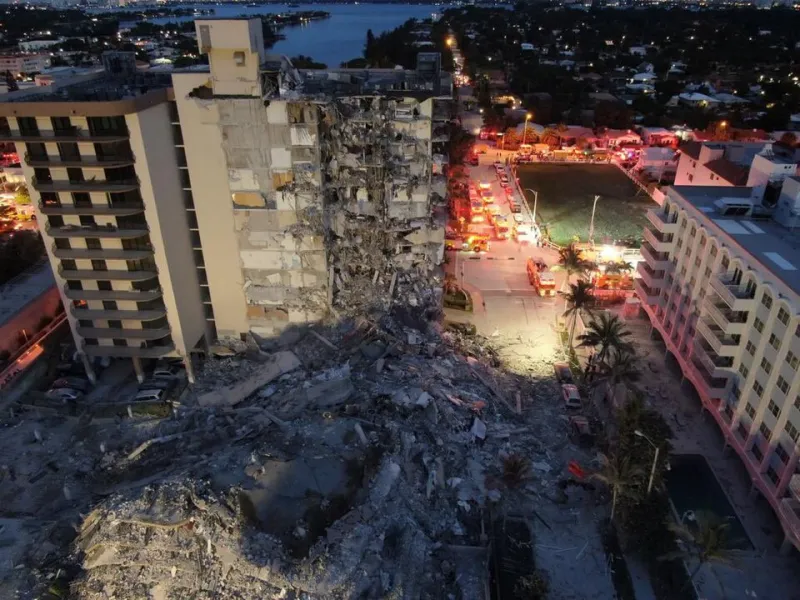
Don't Wait for the Weather Report: 7 Smart Upgrades to Tackle Before Hurricane Season Kicks Off
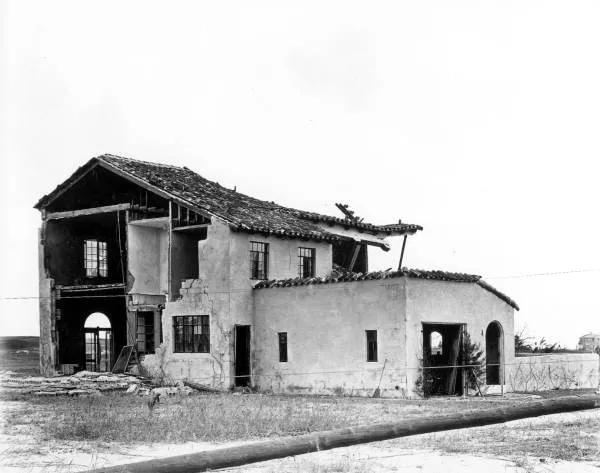
Photo: State Library and Archives of Florida, Public domain, via Wikimedia Commons
Every Floridian knows the rhythm: the calendar flips to spring, the hardware store runs out of plywood, and suddenly everyone remembers their roof is 20 years old. Hurricane season officially starts June 1, and if you're planning storm-related upgrades, the worst mistake you can make is waiting until the tropics light up.
Contractors across the state see the same pattern every year — demand spikes in May, quotes climb with it, and schedules fill up weeks out. Getting ahead of the rush isn't just smart planning; it can genuinely save you money. Here are seven renovations worth putting on your spring to-do list.
1. Impact Windows and Doors
If you're only going to do one major project, this is the one. Impact-rated glass stands up to windborne debris, which matters in a Category 2 storm just as much as a Category 5. Bonus: many insurers offer meaningful premium discounts for impact windows, and they cut down on street noise year-round.
Typical cost runs $2,500 to $7,000 per window depending on size and frame material. Whole-house jobs commonly land between $12,000 and $30,000. Get quotes from at least three licensed contractors — pricing varies more on this project than almost any other.
2. Roof Reinforcement and Strapping
Florida building codes have tightened considerably since Andrew, but older homes may still lack proper hurricane clips or straps tying the roof structure to the walls. Retrofitting these is one of the most cost-effective windstorm upgrades available, often $500 to $2,000 depending on attic access.
If your shingle roof is nearing the end of its life, consider upgrading to a metal or code-rated system. It's a bigger investment — $15,000 to $40,000 for most homes — but it dramatically improves both storm performance and insurance eligibility.
3. Garage Door Bracing
A garage door failure pressurizes your entire home during a storm, and that's how roofs come off. Reinforcement kits start around $500, while a full impact-rated door replacement typically runs $1,500 to $4,500. It's one of the highest-value upgrades per dollar on this list.
4. Drainage and Grading Improvements
Wind gets the headlines, but water does the damage. French drains, extended downspouts, sump pumps, and regrading can move stormwater away from your foundation for anywhere from $1,500 to $10,000. In flood-prone neighborhoods from Tampa to Fort Lauderdale, this is money well spent.
5. Generator Installation
After a major storm, some Florida neighborhoods have gone weeks without power. A standby generator with automatic transfer switch generally costs $6,000 to $15,000 installed. Portable units are cheaper upfront, but whole-home systems are the ones that keep your fridge, AC, and medical equipment running without you hauling fuel in the rain.
6. Hurricane Shutters
Not ready for impact glass? Shutters deliver serious protection at a friendlier price. Accordion and panel systems run $1,500 to $6,000 for a typical home, while roll-down shutters with remote operation can push higher. They also qualify for many insurance mitigation discounts.
7. Soffit, Fascia, and Exterior Sealing
Lofted rain finds every gap. Replacing damaged soffit and fascia and sealing wall penetrations usually costs $1,000 to $4,000 and prevents the kind of water intrusion that turns a manageable claim into a mold remediation nightmare.
How to Vet a Windstorm-Experienced Contractor
Not every licensed contractor has real hurricane mitigation experience. When you're comparing pros, ask specifically:
- Have you completed windstorm mitigation work under current Florida Building Code? Ask for examples and permits.
- Are you familiar with wind mitigation inspection reports? These documents are what unlock your insurance discounts.
- What's your license number? Verify it at MyFloridaLicense.gov in under two minutes.
- Can you provide proof of liability insurance and workers' comp? Non-negotiable.
- Do you pull permits? If a contractor suggests skipping the permit, walk away.
Reviews matter here too. Look for contractors with a track record of storm-season work specifically, and don't be shy about asking past clients how the project held up.
Your Booking Timeline
- March–early April: Gather quotes, verify licenses, finalize your project list.
- Mid-April to early May: Sign contracts. This is when reputable contractors still have calendar space.
- May: Permits, materials, and installation wrap-up.
- June 1 onward: You're watching the tropics from your lanai instead of the hardware store line.
Storm prep in Florida isn't optional — but scrambling for a contractor in the last week of May absolutely is. Get your quotes lined up early, hire licensed and insured pros, and you'll head into hurricane season with a stronger house and a lot less stress.