Check the Paperwork Before the Pickup Truck Pulls In: A Florida Homeowner's Guide to Unmasking Fake Contractors
Photo: Broadhurst, William Henry, 1855-1927, Public domain, via Wikimedia Commons
The Doorbell Scam Is Still Alive in Florida
A guy knocks on your door in Tampa or Ocala, points at your roof, and says a storm damaged shingles you didn't even know were missing. He's got a magnetic sign on an unmarked truck, a laminated business card, and a smooth pitch about a 'today-only' discount. Here's the thing: in Florida, a real contractor's credentials take about five minutes to verify online. A fake's story falls apart in about two.
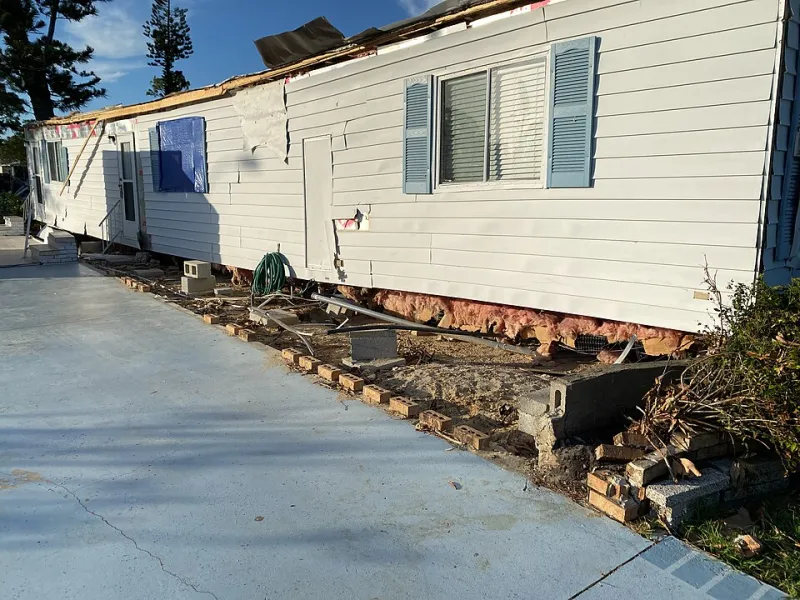
The Sunshine State has more construction activity — and more construction fraud — than almost anywhere in the country. Hurricane recovery work keeps the fly-by-night crews circulating, and homeowners who skip the license check are the ones who end up paying twice.
Registered vs. Certified: The Distinction Most People Miss
Florida issues two flavors of contractor credentials, and knowing the difference matters.
Registered contractors passed exams at the county or local level and are authorized to work only in the jurisdictions where they've registered. Their license numbers often start with letters tied to their county.
Certified contractors passed the tougher state exam and can legally work anywhere in Florida. These are the statewide licenses — think CRC (certified residential contractor) or CGC (certified general contractor).
Neither is automatically 'better' for your project. A registered contractor who's built decks in Palm Beach County for twenty years may be a better fit than a newly certified one from out of state. What matters is that whichever one you hire actually holds the license they claim to hold.
The Five-Minute DBPR Check, Step by Step
The Department of Business and Professional Regulation runs a free public lookup at myfloridalicense.com. Here's your checklist:
- Get the license number in writing. Ask for it before the first site visit. A legitimate pro will volunteer it without hesitation.
- Search by name AND number. Scammers have been known to use a real contractor's number, so confirm the name attached to the license matches the person standing in your driveway.
- Check the status. You want 'Active.' Watch out for 'Inactive,' 'Suspended,' or 'Revoked' — all dealbreakers.
- Look at the license type. A roofing license doesn't cover plumbing. Make sure the scope matches your project.
- Review the complaint history. The DBPR listing shows disciplinary actions and complaints. One complaint isn't necessarily disqualifying, but a pattern is a pattern.
- Check the qualifier. For companies, verify who the qualifying agent is and that it's current — sometimes a license holder quietly leaves the business and nobody updates the paperwork.
Red Flags That Should End the Conversation
- Cash-only deals, especially with a 'no-permit discount.' Permits protect you. Anyone asking you to skip them is asking you to absorb all the risk.
- Pressure to sign today. Florida actually has a cooling-off rule for certain home solicitation contracts — legitimate contractors know this and don't manufacture urgency.
- A license number that's suspiciously short, oddly formatted, or 'in the mail.'
- No local references or a business address that's a PO box.
- A quote scribbled on a flyer with no contract language at all.
One more tip: cross-reference the phone number on the business card with the number listed on the DBPR record. Mismatched contact info is a classic sign of license borrowing.
Already Hired Someone Without a License? Move Fast
If you're reading this a little too late, you still have options — but timing matters.
Stop payment if possible. If work hasn't started, halt it and put everything in writing.
File a complaint. The DBPR handles unlicensed activity complaints, and Florida treats unlicensed contracting as a criminal offense in many cases. Your report matters.
Talk to an attorney about your contract. In Florida, a contract with an unlicensed contractor can be unenforceable — which cuts both ways, but often favors the homeowner who's already paid for shoddy work.
Document everything. Photos, texts, cancelled checks, the works. If the work needs redoing, you'll want a paper trail for insurance or small claims court.
Hire Like You Mean It
The best defense is boring: verify the license, get three written bids, demand a contract with a defined scope and payment schedule, and never pay more than a small deposit up front — Florida law caps upfront payments on many residential contracts for good reason.
At Florida's Contractors, every pro in our directory is license-verified before they list. But even if you find your contractor elsewhere, take those five minutes at myfloridalicense.com. It's the cheapest insurance you'll ever get on a six-figure asset.