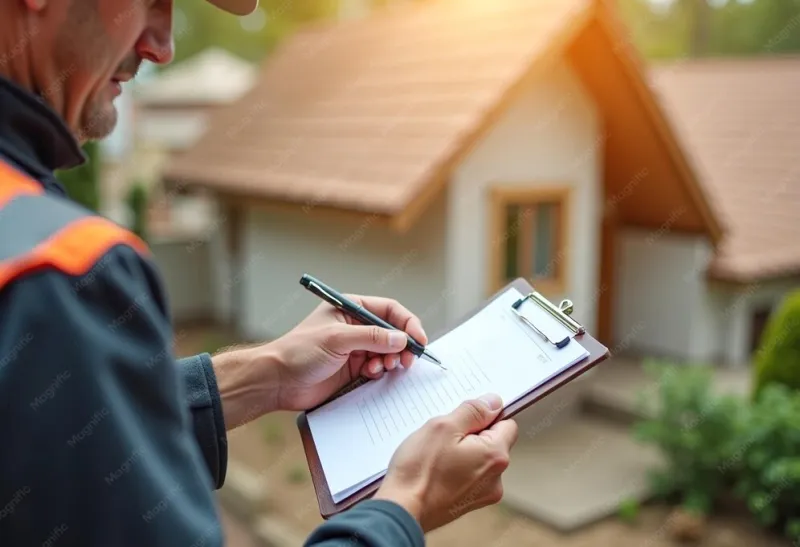
Read the Site Before You Sign the Contract: What a Contractor's Work Zone Reveals
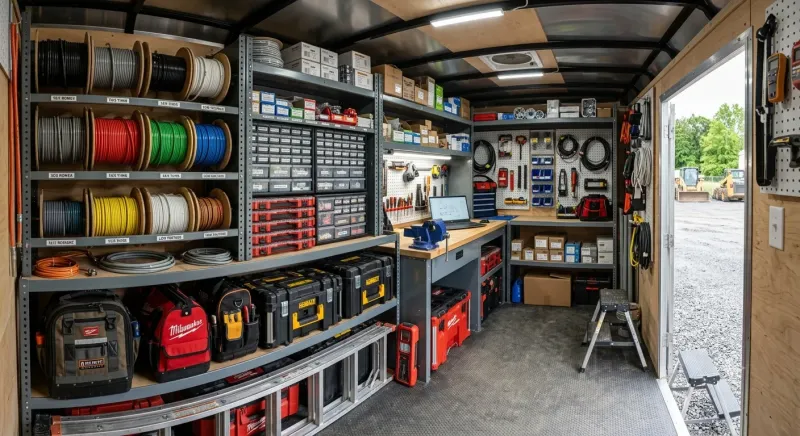
Photo: organized contractor work trailer tools job site residential, via makemytrailer.com
Every Florida renovation starts the same way: three bids, a stack of estimates, and a vague sense that you're supposed to pick the middle one. But there's a better predictor of how your project will go than price alone, and it's sitting in your driveway before you've signed anything.
It's the job site itself.
Contractors reveal themselves long before the first hammer swing. How they stage a trailer, whether the lawn gets raked at day's end, whether the permit is taped to a window — these small signals are leading indicators of the job you'll actually get. Here's your field guide to reading them.
The Trailer Test
A contractor's work vehicle is their rolling résumé. You don't need a spotless showpiece — job sites are dusty places — but there's a difference between lived-in and chaos.
Look for tools that are stowed rather than strewn, materials that are organized, and a vehicle that's branded or at least identifiable. A trailer with labeled bins and secured ladders suggests a crew that values process. A truck bed that looks like a yard-sale explosion? That's often how the drywall dust ends up in your air handler, too.
Permits on Display, Not in a Glovebox
Florida counties require permits for most structural, electrical, plumbing, and roofing work, and those permits are supposed to be posted visibly at the job site. If you visit during the estimate phase and your contractor mentions permits but you see no paperwork anywhere, ask where it lives.
A posted permit signals a contractor who expects inspections and plans for them. A shrug and a "we'll handle it later" is one of the classic warning signs we've covered before — and it's worth taking seriously.
The End-of-Day Walkthrough
Here's a habit worth watching for: does the crew clean up before they leave? Not a deep clean — a reasonable sweep of nails, cutoffs, and debris, with materials covered in case of one of Florida's famous 4 p.m. downpours.
Daily cleanup matters for three reasons:
- Safety. Loose lumber and exposed nails are how kids, pets, and delivery drivers get hurt.
- Weather protection. An open wall or uncovered subfloor during a summer storm can turn a $40,000 remodel into an insurance claim.
- Respect. Crews that tidy up tend to be crews that care about the details you can't see, too.
The Neighbor Factor
In Florida neighborhoods — where homes sit close and HOAs are always watching — a good contractor manages the people around your project, not just the project. Do they park where they won't block a neighbor's driveway? Do they keep the dumpster from spilling onto the street? Have they mentioned notifying adjacent homeowners about noise or equipment?
Ask during your estimate: "How do you handle neighbors and HOA requirements?" A confident answer means they've done this dance before. A blank stare means you'll be the one apologizing to the folks next door.
Communication Cadence Starts Early
Pay attention to how the estimate process itself unfolds. Did the contractor show up when they said they would? Did they follow up within a day or two of the walkthrough? Is their written estimate itemized, or a single number on a napkin?
The way a contractor communicates before you're paying them is, frankly, the best they will ever communicate. If getting a bid back takes three weeks and two nudges, imagine chasing a change order mid-project.
Your Pre-Signing Job Site Checklist
Snap this list to your fridge and bring it to every estimate walkthrough:
- Work vehicle is identifiable, organized, and professionally maintained
- Permits are posted (or the plan for pulling them is clear and documented)
- Crew performs daily cleanup and secures the site against weather
- Materials are stored properly, not left exposed to rain or sun
- Contractor addresses parking, noise, and neighbor impact without prompting
- Written estimate is itemized with materials, labor, and timeline
- License and insurance numbers are offered — and verifiable on MyFloridaLicense.com
- References from recent, similar Florida projects are provided
- Communication during the estimate phase was prompt and consistent
Trust the Small Stuff
Renovation horror stories usually start with a big, obvious mistake — but they're almost always foreshadowed by small ones. A sloppy site, a missing permit, a vanished estimate. The contractors who run tight operations tend to deliver tight work, and the ones who don't... well, you've read the dispute-resolution guides.
When you're comparing bids on our directory, use the reviews and quotes as your starting point — then go see the job site for yourself. It's the most honest interview your contractor will ever give.
Looking for licensed Florida pros who pass the trailer test? Browse verified contractors and request quotes right here on Florida's Contractors.